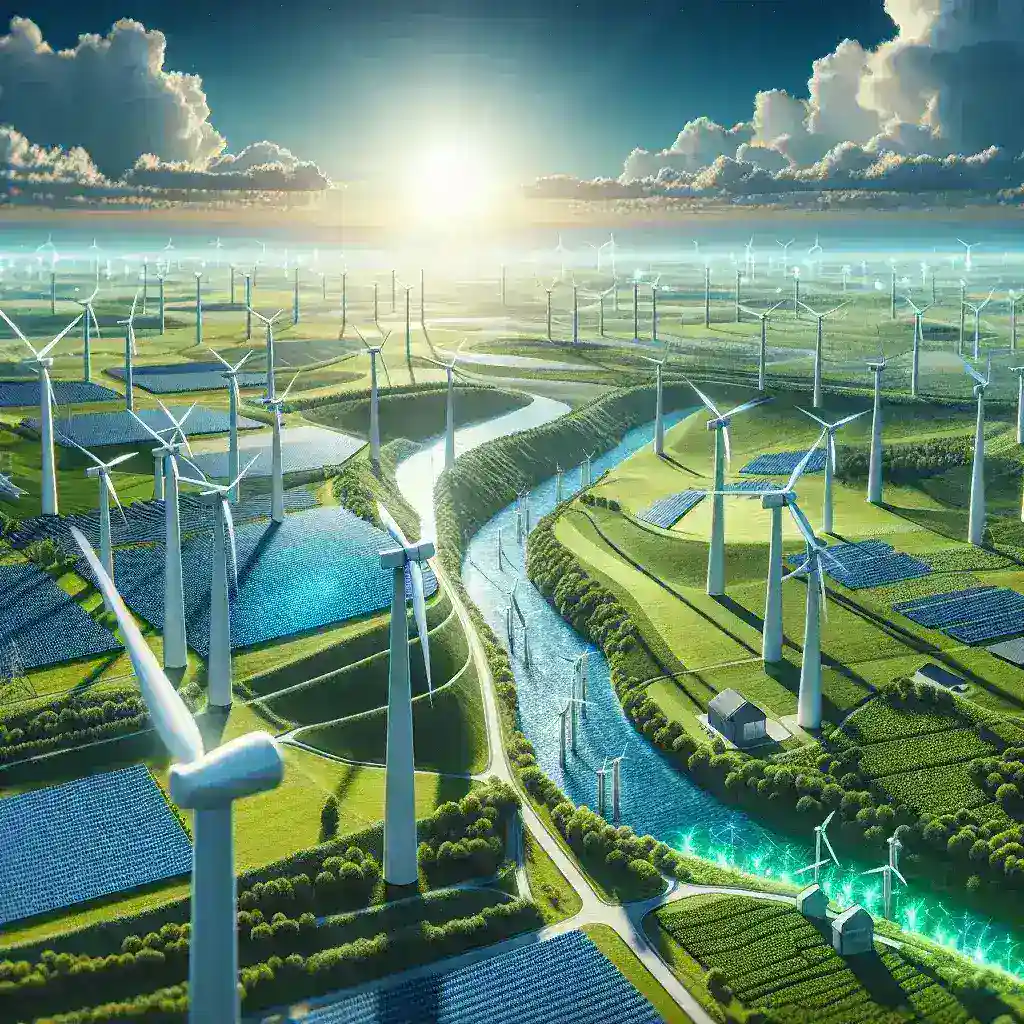
Introduction to Green Energy Grid Technologies
As the world increasingly faces the challenges of climate change and energy security, green energy grid technologies have emerged as a critical component in the transition to a sustainable future. These technologies not only enhance the efficiency of energy distribution but also integrate renewable energy resources seamlessly into existing power grids.
What Are Green Energy Grid Technologies?
Green energy grid technologies refer to the advanced systems and methods employed to manage the distribution and consumption of renewable energy. They encompass a range of solutions that enhance the performance, flexibility, and resilience of energy grids. Key technologies include:
- Smart Grids: These are electricity supply networks that use digital communications technology to detect and react to local changes in usage. Smart grids facilitate the integration of renewable sources and enable real-time data monitoring to optimize energy distribution.
- Energy Storage Systems: Storage technologies, such as batteries or pumped hydro storage, play a crucial role in balancing supply and demand, storing excess energy produced during low demand periods for use during peak times.
- Distributed Energy Resources (DER): These are smaller power sources that operate locally and can be integrated into the grid, including solar panels, wind turbines, and microgrids, which enhance energy resilience.
- Demand Response Programs: Such programs incentivize consumers to adjust their energy usage during peak times, helping to stabilize the grid and reduce the need for additional power plants.
- Advanced Metering Infrastructure (AMI): This technology allows for two-way communication between consumers and utilities, enabling better load management and energy efficiency.
Benefits of Green Energy Grid Technologies
Embracing green energy grid technologies provides numerous advantages:
- Sustainability: By utilizing renewable energy sources, we reduce our reliance on fossil fuels, leading to lower greenhouse gas emissions and a smaller carbon footprint.
- Resilience: Enhanced grid technologies allow for better handling of disruptions caused by extreme weather or other external factors, ensuring reliable energy supply.
- Efficiency: With improved energy management, resources can be allocated more effectively, reducing waste and lowering costs for consumers.
- Economic Growth: Investment in green energy technologies fosters innovation, creating jobs in new technologies and industries.
Challenges and Considerations
Despite the promising landscape of green energy grid technologies, several challenges remain:
- Infrastructure Investment: Upgrading existing grid infrastructure requires significant financial investments and policy support.
- Interconnection Standards: Creating standardized processes for integrating various energy sources into a unified grid can be complex.
- Regulatory Hurdles: Navigating local, state, and federal regulations can slow the deployment of new technologies.
The Future of Green Energy Grids
The future of green energy grid technologies looks promising as advancements continue to emerge. Innovations such as artificial intelligence and machine learning are expected to optimize energy distribution further and improve grid management. As the global demand for sustainable energy solutions grows, we will undoubtedly see further investment and development in this field, leading to smarter, cleaner energy grids worldwide.
Conclusion
Green energy grid technologies represent the backbone of a sustainable energy future, offering innovative solutions to balance the supply and demand of renewable resources. By embracing these technologies, we can pave the way for a cleaner, more efficient, and resilient energy landscape.