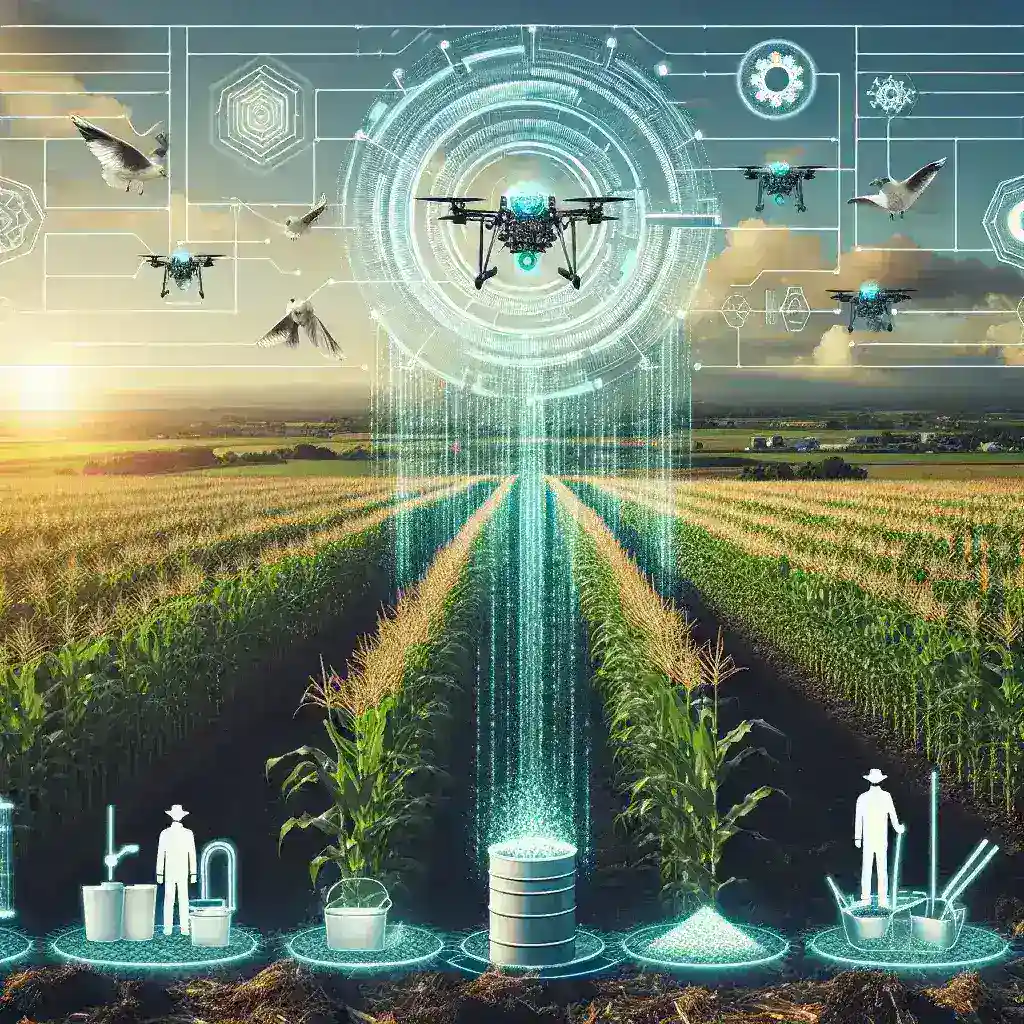
Introduction to AI in Modern Agriculture
The agricultural sector is experiencing a revolutionary transformation through the integration of artificial intelligence (AI) technologies. As global food demand continues to rise and environmental challenges persist, AI has emerged as a powerful tool for optimizing crop yields and managing agricultural resources more efficiently. This comprehensive guide explores how AI is reshaping farming practices and contributing to sustainable agriculture.
The Role of AI in Precision Agriculture
Precision agriculture, powered by AI, is fundamentally changing how farmers approach crop management and resource allocation. This technology-driven approach enables data-based decision-making and targeted interventions.
Smart Sensing and Monitoring Systems
Modern farming relies heavily on advanced sensing technologies:
- Soil Sensors: Monitor moisture levels, nutrient content, and pH balance
- Weather Stations: Track local climate conditions and forecast weather patterns
- Drone Technology: Provide aerial imagery and crop health assessment
- IoT Devices: Collect real-time data on various agricultural parameters
AI-Powered Crop Yield Optimization
Artificial intelligence systems are revolutionizing crop yield prediction and optimization through sophisticated algorithms and machine learning models.
Predictive Analytics for Crop Management
- Yield Prediction: AI algorithms analyze historical data, weather patterns, and soil conditions to forecast crop yields
- Disease Detection: Machine learning models identify early signs of crop diseases and pest infestations
- Growth Monitoring: Computer vision systems track crop development stages and health status
Resource Management and Sustainability
AI technologies are crucial in optimizing resource usage and promoting sustainable farming practices.
Water Management Systems
Smart irrigation systems powered by AI help conserve water while maintaining optimal crop growth:
- Precision Irrigation: AI-controlled systems deliver water based on real-time soil moisture data
- Weather Integration: Irrigation schedules adjust automatically according to weather forecasts
- Water Usage Analytics: AI tools track and optimize water consumption patterns
Nutrient Management and Fertilization
AI enables precise nutrient management through:
- Soil Analysis: AI-powered soil testing and nutrient mapping
- Variable Rate Application: Precise fertilizer application based on field conditions
- Nutrient Tracking: Monitoring and optimization of fertilizer efficiency
Advanced Decision Support Systems
AI-based decision support systems help farmers make informed choices about various aspects of farm management.
Farm Management Platforms
- Data Integration: Combining multiple data sources for comprehensive analysis
- Real-time Monitoring: Continuous tracking of farm operations and conditions
- Automated Alerts: Early warning systems for potential issues or required actions
Economic Benefits and ROI
The implementation of AI in agriculture offers significant economic advantages:
- Cost Reduction: Optimized resource use leads to lower operational costs
- Increased Productivity: Higher crop yields through precise management
- Risk Mitigation: Better prediction and management of farming risks
- Labor Efficiency: Automation of routine tasks and improved workforce allocation
Environmental Impact and Sustainability
AI technologies contribute to environmental conservation in agriculture:
- Reduced Chemical Usage: Precise application of pesticides and fertilizers
- Water Conservation: Efficient irrigation systems minimize water waste
- Soil Health: Better soil management practices for long-term sustainability
- Carbon Footprint: Reduced environmental impact through optimized operations
Future Trends and Developments
The future of AI in agriculture holds promising developments:
- Advanced Robotics: Autonomous farming equipment and harvesting robots
- Enhanced AI Models: More sophisticated prediction and optimization algorithms
- Integration with Blockchain: Improved traceability and supply chain management
- Edge Computing: Faster processing of farm data for real-time decision making
Challenges and Solutions
While AI implementation in agriculture faces certain challenges, various solutions are emerging:
Technical Challenges
- Data Quality: Improving data collection and analysis methods
- Connectivity: Developing better rural internet infrastructure
- Integration: Creating seamless interfaces between different AI systems
Implementation Solutions
- Training Programs: Educational initiatives for farmers and agricultural workers
- Government Support: Policy frameworks and funding for AI adoption
- Industry Collaboration: Partnerships between tech companies and agricultural sectors
Conclusion
Artificial Intelligence is revolutionizing agriculture by providing powerful tools for crop yield optimization and resource management. As technology continues to evolve, the integration of AI in farming practices will become increasingly crucial for sustainable food production and environmental conservation. Farmers who embrace these technologies position themselves at the forefront of agricultural innovation, ready to meet the challenges of feeding a growing global population while maintaining environmental sustainability.