Introduction
Artificial Intelligence (AI) is transforming various sectors, and wildlife conservation is no exception. The integration of AI technologies offers innovative solutions to address complex challenges faced by wildlife and ecosystems around the globe.
Importance of Wildlife Conservation
Wildlife conservation is essential for maintaining biodiversity, ensuring the stability of ecosystems, and preserving the earth’s natural heritage. However, numerous threats such as poaching, habitat loss, and climate change put immense pressure on wildlife populations.
How AI is Revolutionizing Wildlife Conservation
1. Data Collection and Analysis
AI plays a crucial role in collecting and analyzing large volumes of data related to wildlife tracking. By using machine learning algorithms, researchers can identify patterns and trends regarding animal behavior, migration, and population dynamics.
2. Monitoring Wildlife Populations
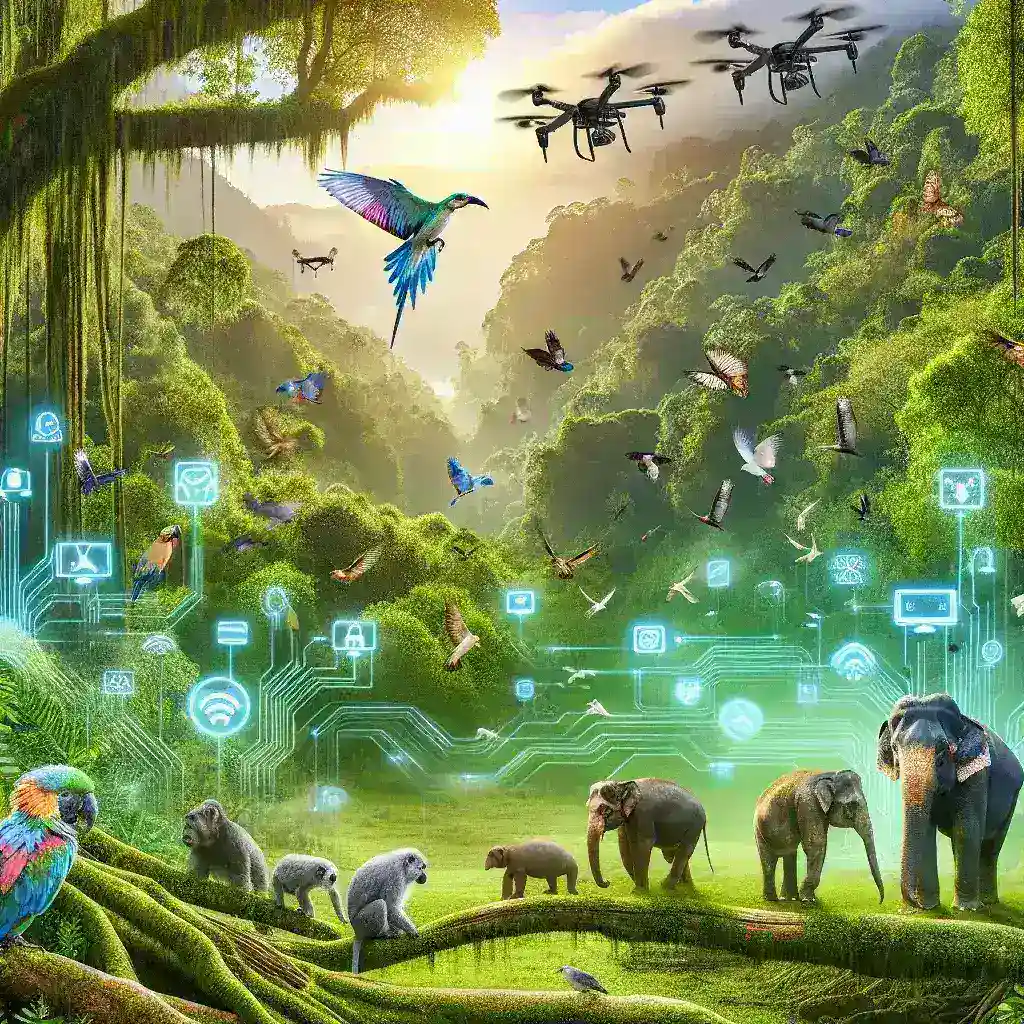
AI-powered camera traps and drones equipped with advanced image recognition software enable conservationists to monitor wildlife populations more effectively. These tools can automatically identify and count endangered species, increasing the efficiency of field surveys.
3. Anti-Poaching Efforts
AI technology can help combat poaching activities by analyzing satellite imagery and tracking environmental changes. Algorithms can predict potential poaching hotspots and alert authorities to prevent illegal activities before they happen.
4. Habitat Management
AI is instrumental in managing and restoring habitats. By analyzing data on vegetation health and land use, conservationists can make informed decisions on habitat restoration projects, ensuring that ecosystems are not only preserved but also thrive.
Case Studies of AI in Wildlife Conservation
1. The African Wildlife Foundation
This organization utilizes AI-driven technology to monitor wildlife in real-time and predict poaching incidents. By employing predictive analytics, they enhance protection measures for endangered species.
2. Save the Elephants
Through the use of AI-enabled collars, researchers track elephant movements and analyze data to reduce human-wildlife conflict. This innovative approach helps to protect elephants while fostering coexistence with local communities.
The Future of AI in Conservation
The future of AI in wildlife conservation looks promising. As technology advances, its applications in this field will continue to grow. Collaborative efforts among technologists, conservationists, and policymakers will be vital in developing sustainable and effective conservation strategies.
Conclusion
AI has the potential to revolutionize wildlife conservation efforts by providing innovative solutions to some of the most pressing challenges faced by wildlife today. By embracing AI technologies, we can enhance our ability to protect endangered species and preserve the delicate balance of our ecosystems.