Introduction
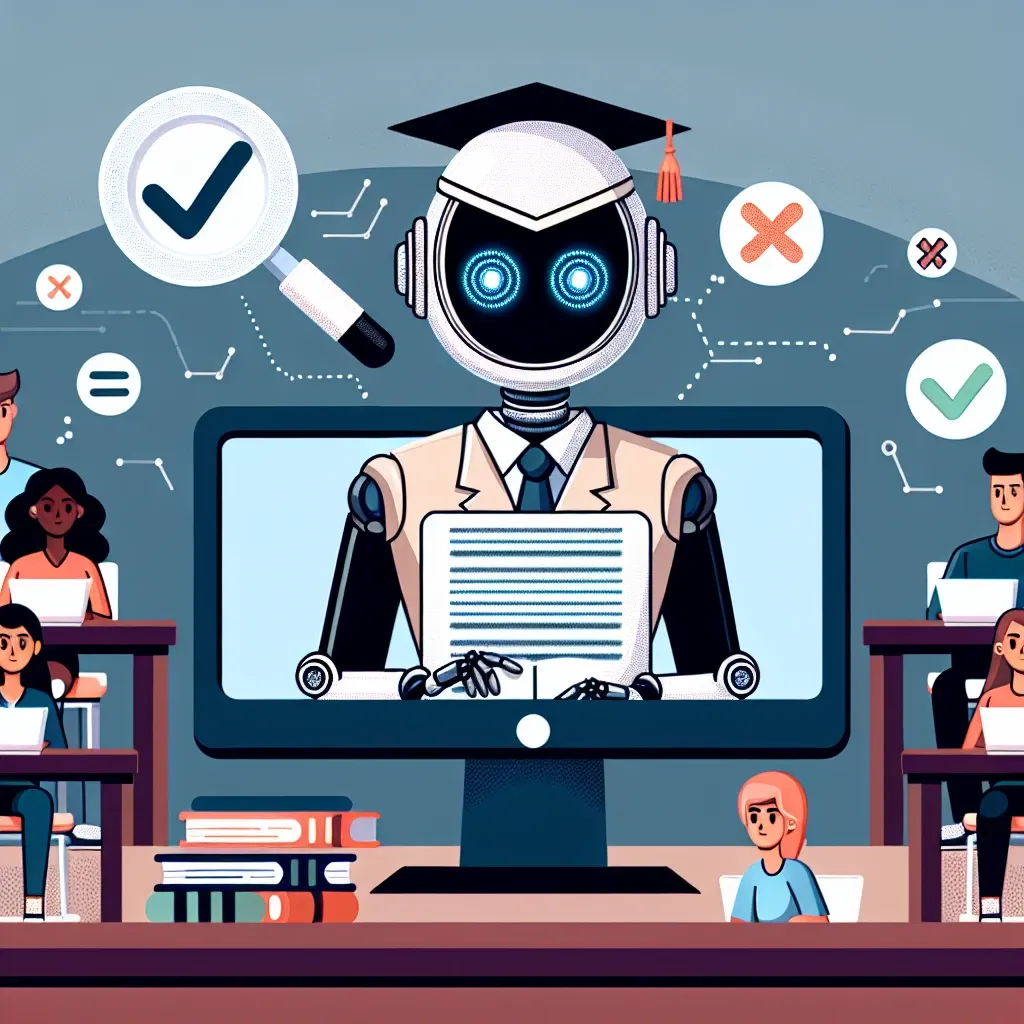
In the age of digital learning, educational platforms continue to evolve, addressing both the benefits and challenges of technological advancements. One significant development is Google Classroom’s integration of plagiarism detection specifically designed for AI-generated essays. This feature marks a transformative step in ensuring academic integrity, promoting originality, and enhancing the educational experience.
Understanding the Rise of AI in Education
The incorporation of Artificial Intelligence (AI) in education has been a game-changer. AI tools are increasingly used for generating essays, assisting students in idea formulation, and even writing entire papers. While these advancements can foster creativity and support learning, they also raise ethical concerns regarding plagiarism and originality.
The Need for Plagiarism Detection
As educational institutions strive to maintain high academic standards, the potential for AI-generated content to compromise these standards is a significant concern. With the increasing use of AI, educators face the challenge of distinguishing between student-generated work and content created by AI tools. This is where plagiarism detection comes into play.
Google Classroom’s New Feature
Google Classroom, widely adopted across schools and universities, has recognized this pressing issue and has rolled out a plagiarism detection feature tailored for AI-generated essays. This innovative tool operates using advanced algorithms that analyze text for originality, providing educators with reliable insights into the authenticity of student submissions.
How Does It Work?
The plagiarism detection feature analyzes submitted essays by comparing the content against a vast database of existing works. It uses machine learning techniques to identify patterns and similarities, effectively flagging AI-generated text or any content that lacks originality.
Step-by-Step Guide to Using the Feature
- Step 1: Access Google Classroom and navigate to the assignments section.
- Step 2: Submit the essay as you typically would.
- Step 3: Wait for the plagiarism detection tool to analyze the submission.
- Step 4: Review the generated report detailing any flagged content.
- Step 5: Discuss the findings with your instructor for further clarity.
Pros of Plagiarism Detection in Google Classroom
The integration of this feature brings numerous benefits:
- Enhances Academic Integrity: Ensures that students submit original work.
- Encourages Critical Thinking: Promotes the development of original ideas and arguments.
- Supports Educators: Provides teachers with tools to assess student work more effectively.
- Fosters a Culture of Honesty: Cultivates a learning environment where integrity is valued.
Potential Concerns and Limitations
While the plagiarism detection feature offers significant advantages, there are some concerns that need to be addressed:
- False Positives: AI-generated content might unintentionally match existing works, leading to disputes.
- Over-reliance on Technology: Educators may become overly dependent on the tool, potentially undermining their own assessment skills.
- Privacy Issues: The analysis of student work raises questions about data privacy and ownership of content.
The Future of Plagiarism Detection in Education
As AI continues to develop, the need for robust plagiarism detection systems will only grow. Future advancements may incorporate even more sophisticated algorithms capable of better understanding context and intent behind writing, moving beyond simple text matching.
Expert Insights
Education technology experts suggest that the key to successful implementation lies in balancing technology with pedagogy. Dr. Sarah Thompson, an educational technologist, states, “While AI and tools like Google Classroom are incredibly beneficial, the human element in education cannot be overlooked. Educators must engage with students to foster genuine learning experiences.”
Real-World Examples
Many educational institutions have already begun utilizing Google Classroom’s plagiarism detection feature with promising results. For instance, a high school in California reported a 30% decrease in plagiarism cases since the feature’s implementation, demonstrating its effectiveness in promoting originality.
Cultural Relevance
In a world where technology is increasingly intertwined with daily life, understanding the ethical implications of AI-generated content is crucial. The integration of plagiarism detection in educational platforms reflects a growing awareness of the need for academic integrity, resonating with cultural values that emphasize honesty and creativity.
Conclusion
Google Classroom’s integration of plagiarism detection for AI-generated essays signifies a pivotal moment in education. By addressing the challenges posed by technology, this feature not only enhances academic integrity but also promotes a culture of originality among students. As we look to the future, the ongoing evolution of such tools will be essential in navigating the complex landscape of education in the digital age.