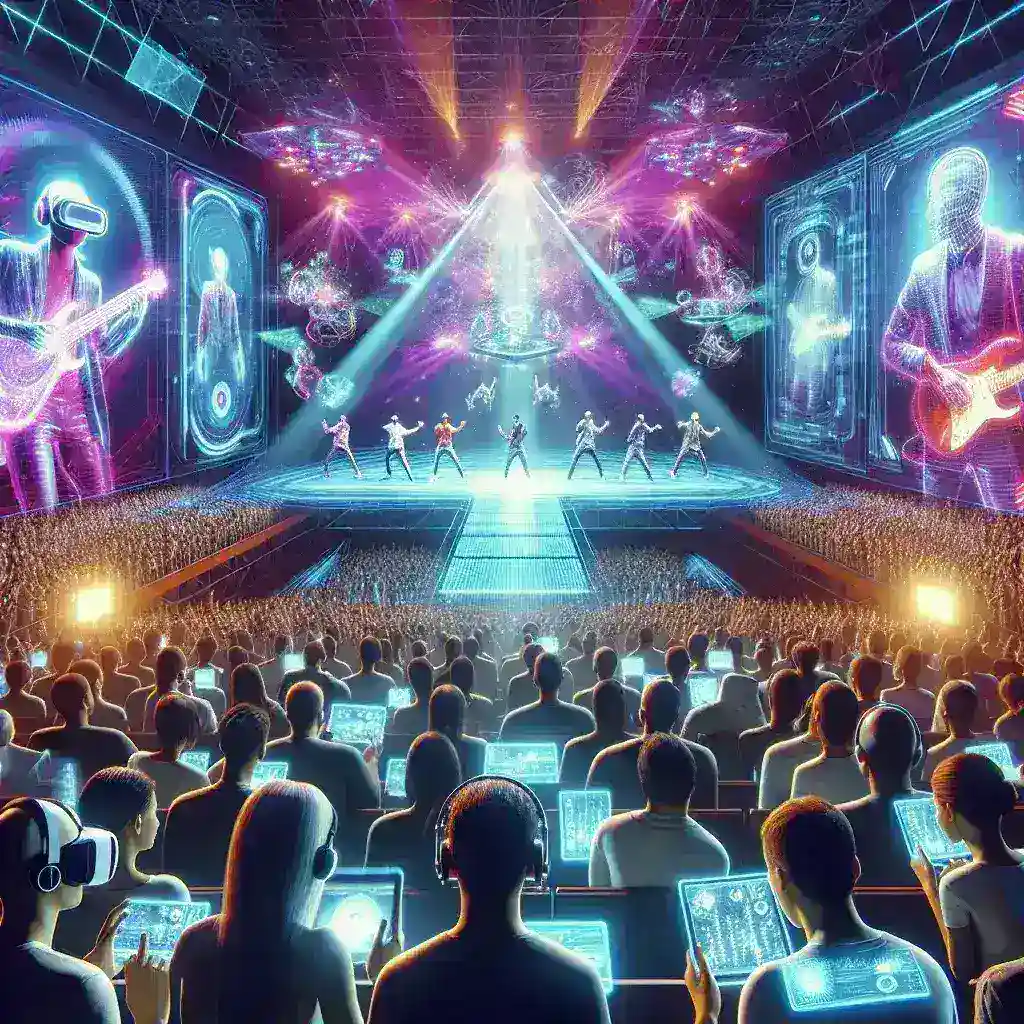
The Evolution of Virtual Entertainment
The entertainment industry is undergoing a revolutionary transformation, with virtual concerts and events leading the charge into a new digital era. As technology continues to advance at an unprecedented pace, the way we experience live entertainment is being fundamentally reshaped, creating exciting opportunities for both artists and audiences alike.
The Rise of Virtual Concert Platforms
Virtual concert platforms have emerged as powerful tools for connecting artists with their fans across the globe. These digital venues offer unique advantages that traditional physical venues simply cannot match:
- Unlimited attendance capacity
- Global accessibility
- Reduced environmental impact
- Lower production costs
- Enhanced creative possibilities
Immersive Technologies Shaping the Future
Virtual Reality (VR) Experiences
Virtual Reality is revolutionizing how audiences engage with live entertainment. Through VR headsets, fans can now experience concerts and events in stunning 360-degree environments, feeling as if they’re physically present at the venue. The technology enables:
- Customizable viewing angles
- Interactive virtual environments
- Real-time social interactions with other attendees
- Premium virtual seating options
Augmented Reality (AR) Integration
AR technology is bringing new dimensions to virtual events by overlaying digital elements onto the real world. This creates hybrid experiences that blend physical and digital realms, offering:
- Interactive holographic performances
- Real-time visual effects
- Enhanced merchandise visualization
- Personalized AR filters and effects
The Impact of 5G and Advanced Connectivity
The rollout of 5G networks is catalyzing the evolution of virtual events. Higher bandwidth and lower latency enable:
- Ultra-high-definition streaming
- Real-time interaction between performers and audiences
- Seamless multi-user experiences
- Complex virtual production elements
Innovative Audience Engagement Features
Interactive Elements
Virtual events are becoming increasingly interactive, offering features that weren’t possible in traditional settings:
- Live chat and social integration
- Virtual meet-and-greets
- Real-time voting and song requests
- Multi-camera angle selection
- Virtual merchandise stores
Personalization and AI
Artificial Intelligence is enhancing the virtual event experience through:
- Personalized content recommendations
- Smart crowd simulation
- Automated content moderation
- Custom viewing experiences
Economic Implications and Business Models
The virtual entertainment industry is creating new revenue streams and business opportunities:
- Tiered virtual ticket pricing
- Digital merchandise and NFTs
- Virtual VIP experiences
- Sponsorship and advertising opportunities
- Subscription-based access models
Challenges and Solutions
Technical Considerations
As the industry evolves, several technical challenges are being addressed:
- Bandwidth optimization
- Cross-platform compatibility
- Security and privacy concerns
- Quality of service management
User Experience Improvements
Platforms are continuously working to enhance the virtual event experience through:
- Intuitive user interfaces
- Improved audio-visual quality
- Better social features
- Reduced technical barriers
The Future Landscape
Hybrid Events
The future of entertainment will likely blend physical and virtual experiences, offering:
- Simultaneous physical and virtual attendance
- Cross-platform integration
- Enhanced audience participation options
- Global collaborative performances
Emerging Trends
Several exciting trends are shaping the future of virtual events:
- Blockchain integration for ticketing and merchandise
- AI-powered virtual performers
- Cross-reality social spaces
- Decentralized event platforms
Conclusion
The future of virtual concerts and entertainment events is bright and rapidly evolving. As technology continues to advance and audience expectations evolve, we can expect to see even more innovative solutions and experiences emerge. The virtual entertainment landscape is not just about replicating physical events in a digital space – it’s about creating entirely new forms of entertainment that were previously impossible.
For artists, organizers, and audiences alike, this digital revolution presents unprecedented opportunities for creativity, connection, and commerce. As we move forward, the boundaries between physical and virtual entertainment will continue to blur, creating a more inclusive, accessible, and exciting entertainment ecosystem for everyone.