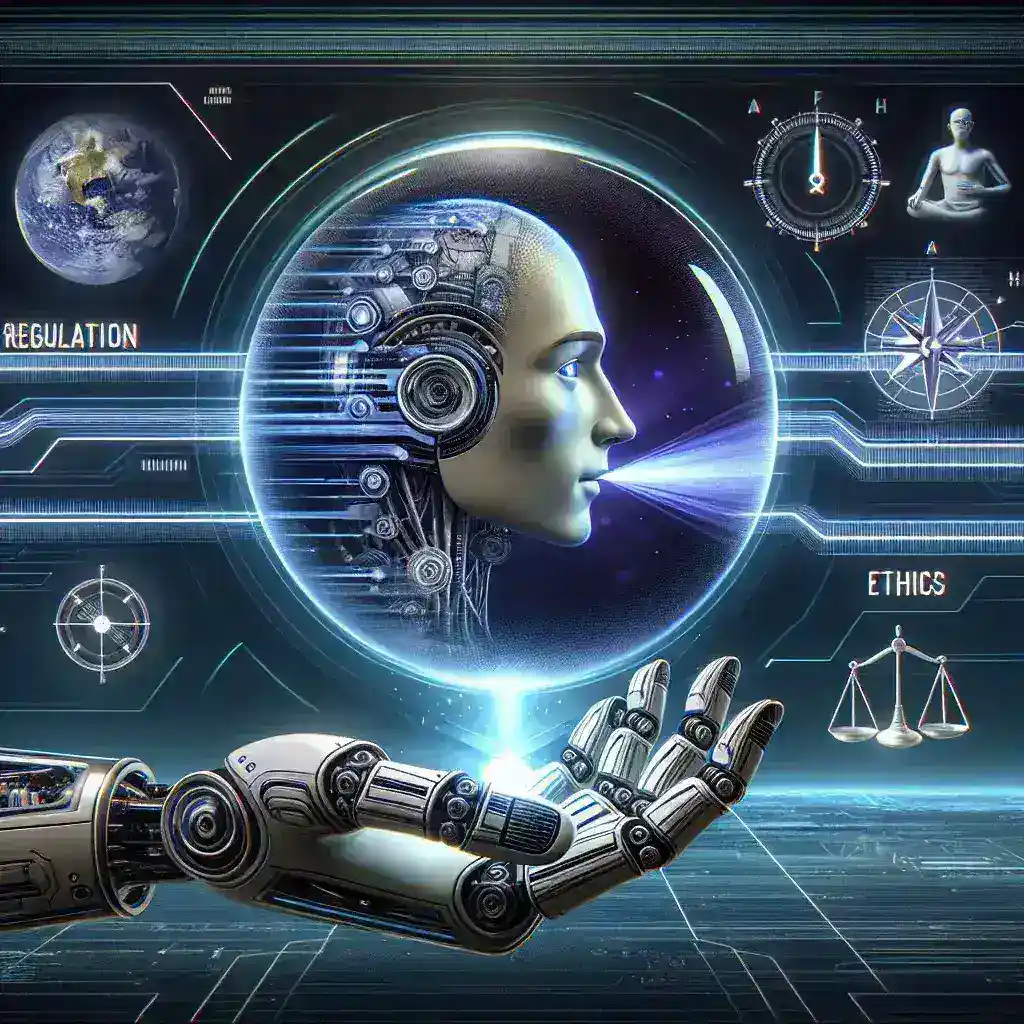
The Evolution of AI-Generated Video Content: A Digital Revolution
The rapid advancement of artificial intelligence has ushered in a new era of digital content creation, particularly in the realm of video production. As AI-powered tools become increasingly sophisticated, they’ve sparked intense debates about regulation, ethics, and the future of digital media. This comprehensive analysis delves into the complex landscape of AI-generated videos and the pressing need for regulatory frameworks to address deepfake technology.
Understanding Deepfakes: Beyond the Surface
Deepfake technology, powered by sophisticated artificial intelligence algorithms, has evolved from a nascent curiosity to a powerful tool capable of creating incredibly realistic synthetic videos. These AI-generated contents can manipulate faces, voices, and even entire scenarios, raising significant concerns about authenticity and potential misuse in our digital ecosystem.
Key Components of Deepfake Technology
- Advanced neural networks and machine learning algorithms
- Facial recognition and mapping capabilities
- Voice synthesis and manipulation tools
- Motion capture and behavior replication systems
The Double-Edged Sword: Benefits and Risks
AI-created video content presents both opportunities and challenges for various sectors. While it offers innovative solutions for entertainment, education, and business, it simultaneously poses significant risks that demand careful consideration and regulation.
Positive Applications
- Enhanced film production and special effects
- Personalized educational content
- Cost-effective marketing and advertising solutions
- Virtual training and simulation programs
- Creative artistic expression
Potential Risks and Concerns
- Misinformation and fake news proliferation
- Identity theft and fraud
- Political manipulation
- Privacy violations
- Copyright infringement
The Regulatory Landscape: Current Challenges and Future Directions
As AI-generated video content becomes more prevalent, governments and organizations worldwide are grappling with the challenge of creating effective regulatory frameworks. The complexity of the technology and its rapid evolution make this task particularly challenging.
Existing Regulatory Approaches
Several jurisdictions have begun implementing measures to address deepfake concerns. California, for instance, has pioneered legislation requiring disclosure of AI-generated content in political campaigns. The European Union’s AI Act also includes provisions specifically addressing synthetic media.
Key Regulatory Considerations
- Content authentication mechanisms
- Mandatory disclosure requirements
- Digital watermarking standards
- Consent and privacy protection measures
- Platform responsibility guidelines
Technical Solutions and Detection Methods
The development of robust detection technologies is crucial in the fight against malicious use of deepfakes. Various technical approaches are being explored to identify and authenticate AI-generated content.
Current Detection Technologies
- Digital forensics analysis
- Blockchain-based authentication
- AI-powered detection algorithms
- Biometric verification systems
Industry Response and Self-Regulation
Tech companies and content platforms are increasingly implementing their own measures to address the challenges posed by AI-generated videos. These efforts range from content moderation policies to technological solutions for verification.
Platform-Specific Measures
- Content labeling requirements
- User reporting systems
- Automated detection tools
- Collaboration with fact-checking organizations
Ethical Considerations and Social Impact
The proliferation of AI-generated video content raises profound ethical questions about authenticity, consent, and the nature of truth in the digital age. These considerations must be central to any regulatory framework.
Key Ethical Challenges
- Informed consent for likeness use
- Truth and authenticity in media
- Protection of vulnerable populations
- Preservation of public trust
Future Perspectives and Recommendations
As we move forward, a balanced approach to regulation is essential. This approach should foster innovation while protecting against potential misuse and harm.
Proposed Regulatory Framework Elements
- International cooperation and standardization
- Adaptive regulatory mechanisms
- Multi-stakeholder engagement
- Regular framework review and updates
The Role of Education and Public Awareness
Public education plays a crucial role in addressing the challenges posed by AI-generated content. Increasing digital literacy and awareness can help mitigate the risks associated with deepfakes.
Educational Initiatives
- Digital literacy programs
- Media verification skills training
- Public awareness campaigns
- Professional development courses
Conclusion: Balancing Innovation and Protection
The debate surrounding AI-created video content and deepfake regulation reflects the broader challenges of managing technological advancement in the digital age. Success will require a coordinated effort between governments, industry stakeholders, and civil society to develop comprehensive, effective, and adaptable regulatory frameworks.
Critical Success Factors
- Flexible and responsive regulation
- Strong international cooperation
- Continuous technological innovation
- Active stakeholder engagement
- Robust enforcement mechanisms
As we continue to navigate this complex landscape, the focus must remain on fostering responsible innovation while protecting individual rights and societal interests. The future of AI-generated content regulation will likely require ongoing adaptation and refinement as technology continues to evolve and new challenges emerge.