Introduction
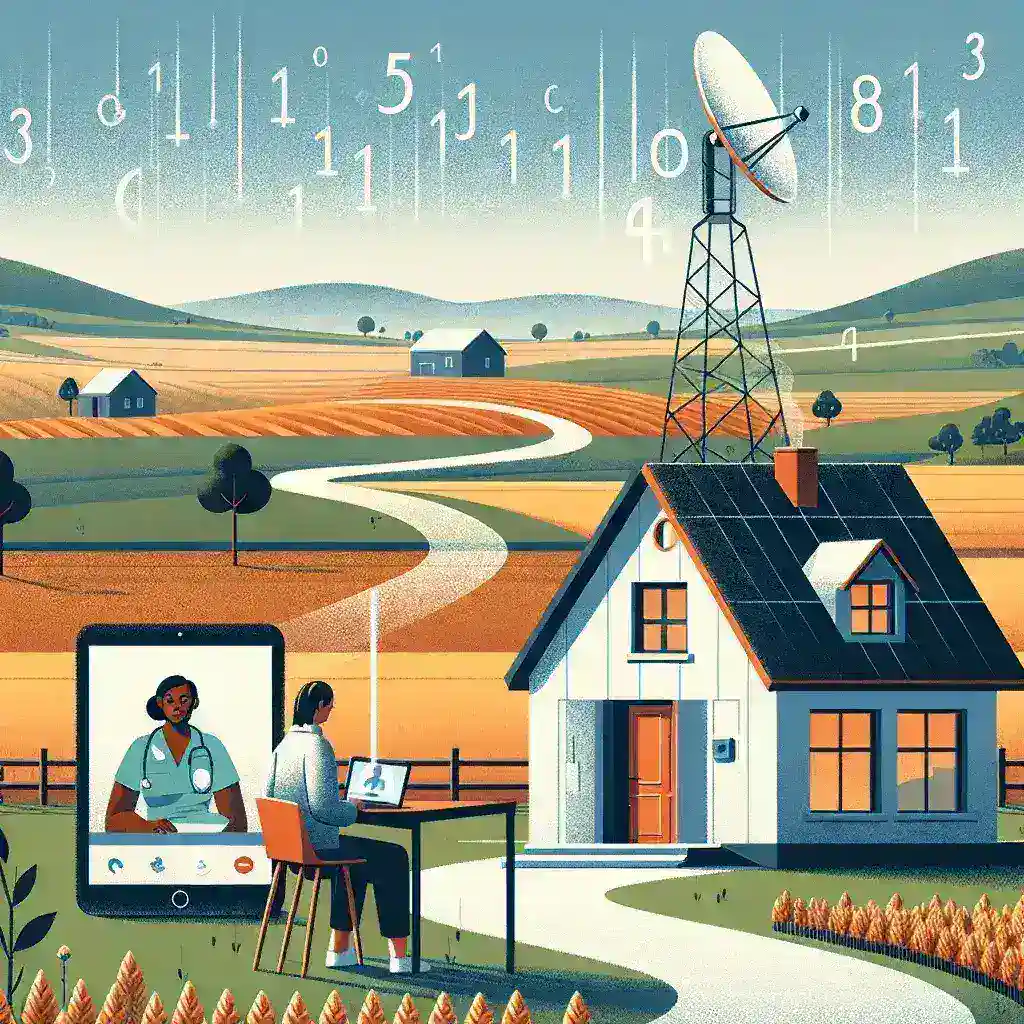
In an era where healthcare accessibility is more crucial than ever, Verizon has stepped forward with a groundbreaking initiative to launch a rural telehealth platform. This innovative service aims to bring essential healthcare services to underserved areas, ensuring that individuals in remote locations can receive timely medical consultation and care. By offering subsidized devices, Verizon is actively working to dismantle the barriers to healthcare access faced by many rural communities.
The Need for Telehealth in Rural Areas
Rural areas often grapple with limited access to healthcare facilities, leading to significant health disparities. According to the U.S. Census Bureau, approximately 20% of the American population lives in rural regions, yet these areas experience higher rates of chronic illnesses, mental health issues, and preventable hospitalizations. The geographical isolation of rural communities can make it difficult for residents to access healthcare services, resulting in delayed diagnoses and treatment. Telehealth has emerged as a viable solution to this pressing issue, allowing patients to connect with healthcare providers from the comfort of their homes.
The Role of Verizon
Verizon, a leader in telecommunications, recognizes the vital role it can play in enhancing healthcare delivery. By launching its rural telehealth platform, the company aims to leverage its extensive network infrastructure to facilitate remote consultations and health monitoring. This initiative aligns with Verizon’s commitment to corporate social responsibility, emphasizing the importance of technology in fostering community well-being.
Features of Verizon’s Rural Telehealth Platform
The rural telehealth platform introduced by Verizon is designed with user accessibility and convenience in mind. Here are some of the key features:
- Subsidized Devices: To ensure that cost does not become a barrier to access, Verizon is offering subsidized telehealth devices. This means that qualifying individuals can obtain essential tools for remote health consultations at reduced prices.
- User-Friendly Interface: The platform boasts an intuitive design that makes it easy for users of all ages to navigate. With simplified prompts and clear instructions, the platform aims to minimize technological barriers.
- Comprehensive Health Services: Users can access a wide range of healthcare services through the platform, including primary care consultations, mental health support, and chronic disease management.
- Secure Communication: Ensuring the privacy of patients is a top priority for Verizon. The platform employs advanced encryption protocols to safeguard sensitive health information during consultations.
- 24/7 Availability: One of the standout features of the platform is its round-the-clock availability. Patients can schedule consultations at their convenience, accommodating their unique schedules and needs.
How It Works
The functionality of Verizon’s rural telehealth platform is straightforward. Here’s a step-by-step guide on how users can take advantage of this service:
- Eligibility Check: Interested individuals can begin by checking their eligibility for subsidized devices through Verizon’s official website.
- Device Acquisition: Once approved, users can order the subsidized telehealth device, which may include tablets or specialized telehealth equipment.
- Registration: Users will need to create an account on the telehealth platform. This process typically involves entering personal information and health history to tailor services to individual needs.
- Scheduling Appointments: After registration, users can schedule appointments with healthcare providers based on their availability and preferences.
- Consultation: During the scheduled appointment, users will connect with healthcare professionals via secure video calls or chat, allowing for a comprehensive assessment and discussion of health concerns.
Pros and Cons of Verizon’s Telehealth Initiative
Pros
- Improved Access: Rural residents gain access to healthcare professionals they may have previously struggled to reach.
- Cost-Effective: The subsidized devices make it more affordable for low-income families to utilize telehealth services.
- Convenience: Patients can consult with healthcare providers from home, reducing travel time and associated costs.
- Chronic Disease Management: Regular monitoring of chronic conditions is made easier, leading to better health outcomes.
Cons
- Technological Limitations: Not all rural areas have reliable internet access, which may hinder the effectiveness of telehealth services.
- Dependence on Technology: Some individuals, particularly older adults, may struggle with the technology required to access telehealth services.
- Limited Physical Interaction: Certain health assessments require in-person visits, which telehealth cannot provide.
Future Predictions
As Verizon continues to roll out its rural telehealth platform, several trends are likely to emerge in the future of telehealth services:
- Integration with Wearable Technology: The incorporation of wearable devices that monitor health metrics in real-time is expected to become more prevalent, providing healthcare providers with valuable data.
- Expansion of Services: The platform may expand to include additional specialties, such as dermatology or cardiology, enabling more comprehensive care.
- Increased Partnerships: Collaborations with local healthcare providers and institutions will likely enhance the platform’s reach and effectiveness.
- Enhanced AI Utilization: Artificial intelligence could play a role in triaging patients and providing preliminary assessments before consultations.
Real-Life Examples
Several rural communities have already begun to experience the benefits of telehealth initiatives. In Montana, for instance, a pilot program enabled residents of remote areas to access specialists without having to travel long distances. Patients reported increased satisfaction with the convenience and quality of care received through telehealth services.
Conclusion
Verizon’s launch of a rural telehealth platform with subsidized devices marks a significant advancement in increasing healthcare access for rural communities. By addressing the barriers faced by these populations, Verizon is not only enhancing health outcomes but also promoting a healthier society overall. As we look toward the future, it is essential to continue supporting such initiatives that prioritize accessibility and equity in healthcare.