Introduction
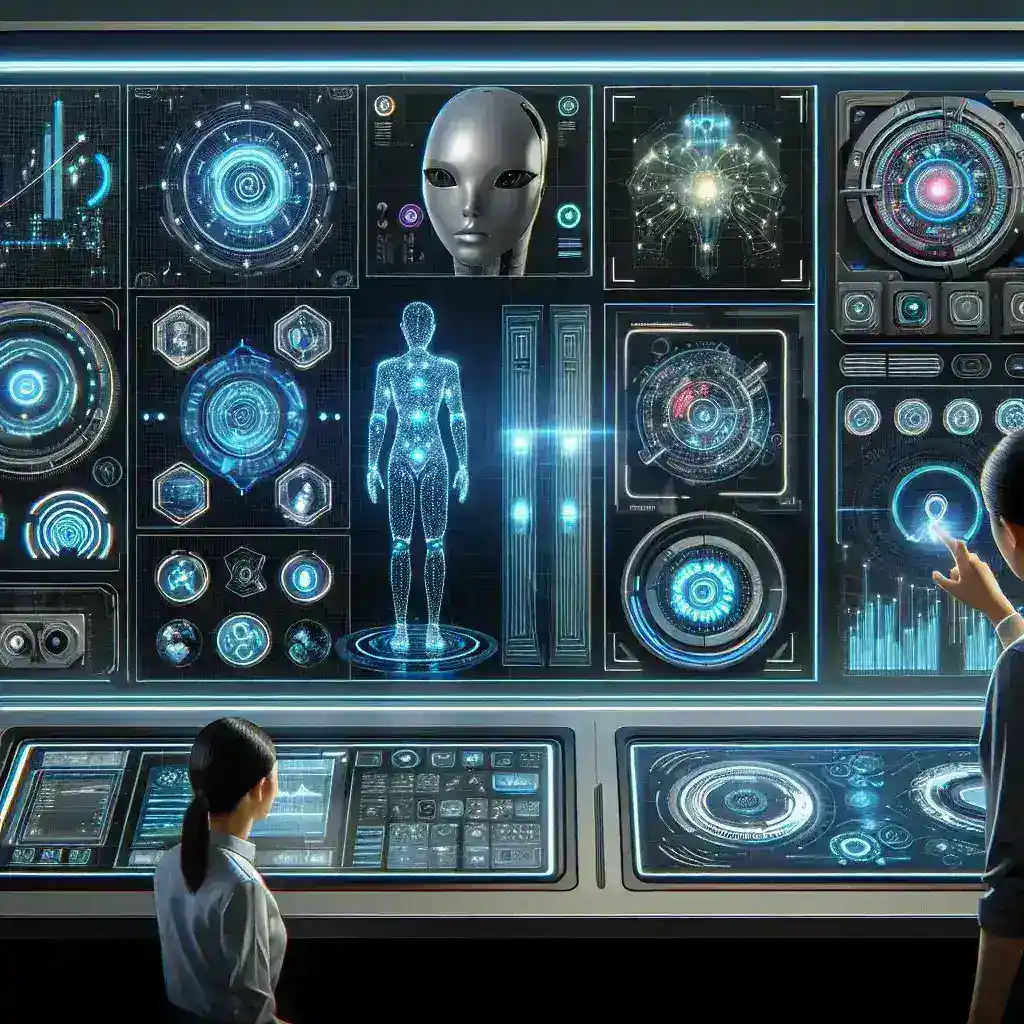
As technology rapidly evolves, artificial intelligence (AI) is playing a pivotal role in redefining user interfaces (UIs). Gone are the days of static designs limited to traditional layouts; today, AI integrated systems are ushering in dynamic, intuitive interfaces that adapt to user behavior and preferences. This article delves into what new user interfaces look like in AI integrated systems, exploring their features, historical context, and future implications.
Evolution of User Interfaces
The journey of user interfaces has been marked by significant milestones:
- Command-Line Interfaces (CLIs): The early days of computing were dominated by text-based commands.
- Graphical User Interfaces (GUIs): The introduction of GUIs brought visual elements that made interaction more intuitive.
- Touch Interfaces: The rise of smartphones and tablets emphasized the need for touch-friendly designs.
- Voice User Interfaces (VUIs): With advancements in natural language processing, voice commands have become a staple in user interaction.
The Role of AI in Modern Interfaces
AI is revolutionizing interfaces in several ways:
1. Personalization
AI systems analyze user data to deliver personalized experiences. For instance, streaming services like Netflix use AI algorithms to recommend content based on individual viewing habits. This personalization extends to various applications, such as e-commerce platforms that tailor their offerings to match user preferences.
2. Predictive Interfaces
Predictive analytics powered by AI helps anticipate user needs. For example, smart assistants like Google Assistant or Siri learn from user interactions, allowing them to predict and fulfill requests proactively.
3. Natural Language Processing (NLP)
With advancements in NLP, interfaces now support conversational interactions, making it easier for users to communicate with systems. Chatbots in customer service utilize NLP to understand inquiries and provide accurate responses.
4. Visual Recognition
AI-driven visual recognition enables interfaces to interpret images and videos. Applications in security, healthcare, and retail demonstrate how visual data can enhance user experience by offering smarter, context-aware responses.
Design Trends in AI Integrated UIs
The integration of AI into user interfaces has birthed several design trends that prioritize user experience:
1. Minimalistic Design
Modern UIs often embrace minimalism, focusing on essential elements that enhance usability. This design approach reduces cognitive load, allowing users to navigate seamlessly.
2. Dynamic Content
Dynamic content, which changes based on user interactions, is becoming commonplace. AI systems can adjust content in real-time, providing relevant information that enhances the user journey.
3. Adaptive Layouts
Adaptive layouts adjust according to device screens and user preferences, improving accessibility. With responsive design principles, interfaces cater to various platforms, ensuring a consistent experience across devices.
4. Gesture-Based Controls
Gesture controls, driven by AI, allow users to interact with systems through physical movements. This trend is particularly evident in gaming and virtual environments, where immersive experiences are paramount.
The Future of AI Integrated User Interfaces
Looking ahead, the future of AI integrated user interfaces is promising:
1. Enhanced User Interaction
As AI continues to improve, user interactions will become even more natural and intuitive. Expect to see interfaces that can seamlessly switch between voice, touch, and gesture controls based on context.
2. Emotional Recognition
AI is advancing towards emotional recognition capabilities, allowing systems to adapt based on user emotions. This could revolutionize customer service by tailoring responses to emotional cues.
3. Seamless Integration with IoT
The Internet of Things (IoT) is set to further enhance AI interfaces. With interconnected devices, users will benefit from a cohesive experience where interactions across devices are synchronized and contextually relevant.
Challenges and Considerations
Despite the advancements, there are challenges:
1. Privacy Concerns
As AI gathers and analyzes user data, privacy becomes a significant concern. Striking a balance between personalization and user privacy will be essential for future interface designs.
2. Accessibility
Ensuring that AI integrated UIs are accessible to all users, including those with disabilities, is crucial. Designers must prioritize inclusivity in their development processes.
3. Ethical Implications
The deployment of AI technologies raises ethical questions about bias and fairness. Developers need to be aware of the implications of their algorithms to avoid unintentional discrimination.
Conclusion
The landscape of user interfaces is evolving rapidly due to AI integration. From personalized experiences to dynamic content, the potential is vast. As we move forward, embracing both the opportunities and challenges presented by AI will be crucial in shaping the future of user interactions. By focusing on user-centered design and ethical considerations, we can create interfaces that not only enhance user experience but also foster trust and engagement in AI technologies.